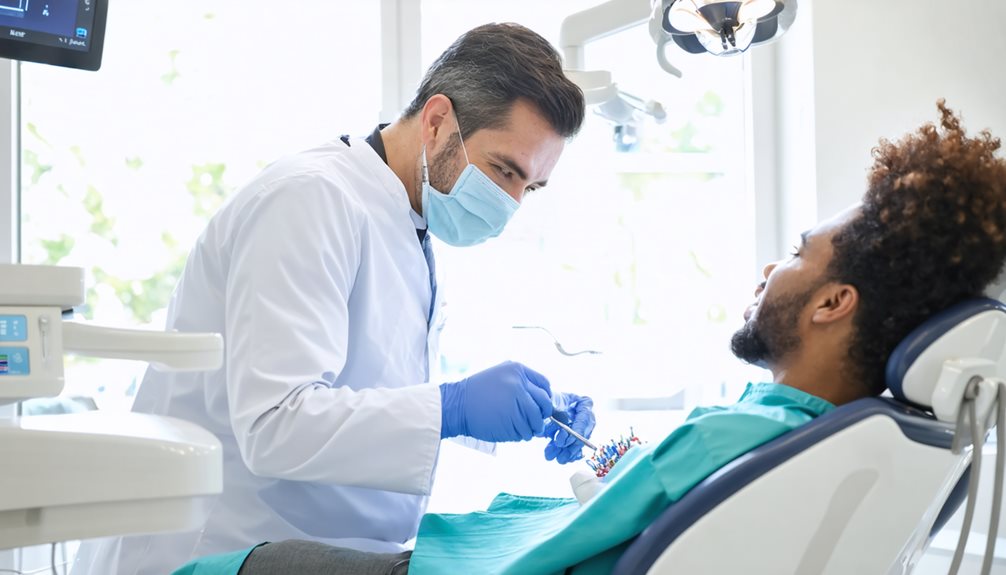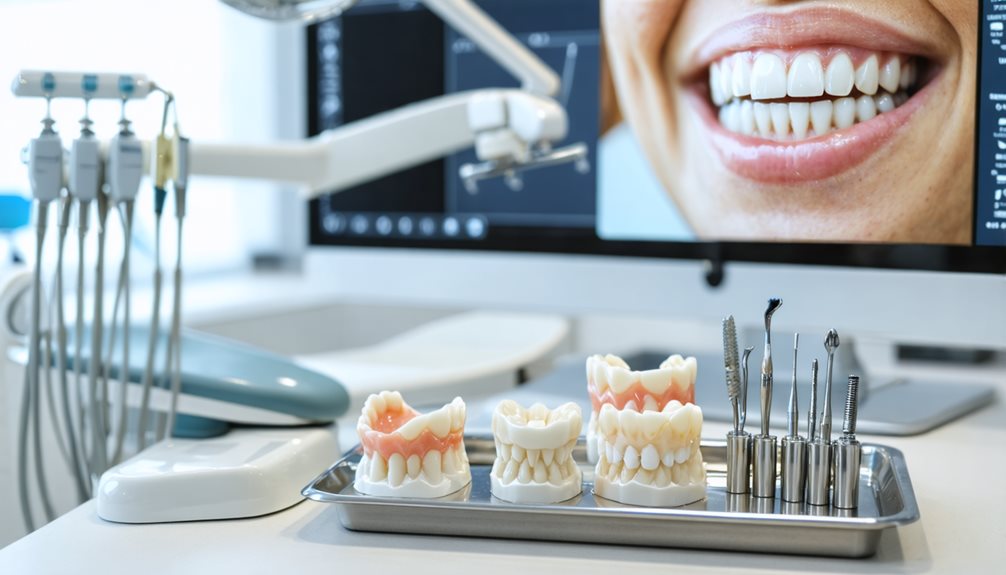
When you’re considering tooth restoration, the array of prosthodontic solutions might seem overwhelming. Dental implants, porcelain veneers, and crowns each offer unique benefits tailored to specific needs. Implants provide a sturdy, lasting replacement for missing teeth, while veneers are perfect for covering minor imperfections with a natural look. Crowns offer protection and restore the function of damaged teeth. Each option not only enhances your smile but also boosts your confidence. So, how do you choose the right solution for your dental needs? Let’s explore what sets these options apart and how they can transform your oral health.
Dental Implants
When it comes to replacing missing teeth, dental implants stand out as a superior solution due to their durability and natural appearance. You’ll find that understanding the various implant types and the surgical procedure involved is essential for making an informed decision. There are primarily two types of implants: endosteal and subperiosteal. Endosteal implants, the most common, are surgically placed directly into the jawbone, providing a sturdy foundation for artificial teeth. Subperiosteal implants, on the other hand, rest on top of the jawbone, under the gum tissue, and are ideal for patients with insufficient bone height or density.
The surgical procedure to place dental implants is precise and methodical. Initially, you’ll undergo an extensive examination, including imaging studies like X-rays or CT scans, to assess bone structure. During the surgery, a small incision is made in the gum to expose the bone, allowing the implant to be inserted into the jawbone. Over several months, osseointegration occurs, where the bone fuses with the implant, ensuring stability. After this period, a connector, or abutment, is attached, followed by the placement of a custom-made crown, completing the restoration with a natural aesthetic.
Porcelain Veneers
Porcelain veneers offer an excellent option for achieving a flawless smile by correcting minor imperfections in teeth. These thin shells of ceramic material are expertly bonded to the front surface of your teeth, enhancing both aesthetics and function. Let’s explore why porcelain veneers might be the ideal choice for you.
- Porcelain Benefits: Porcelain is highly resistant to staining, ensuring your veneers maintain their pristine appearance over time. Additionally, porcelain mimics the light-reflecting properties of natural teeth, providing a lifelike appearance.
- Customized Fit: Each veneer is custom-made to fit your specific dental structure, ensuring a seamless integration with your existing teeth. This precision minimizes any potential discomfort and maximizes your satisfaction.
- Veneer Maintenance: Maintaining your veneers is straightforward. Regular brushing and flossing, alongside routine dental check-ups, keep them in peak condition. Avoid using your teeth as tools to prevent chipping.
- Durability: With proper care, porcelain veneers can last 10 to 15 years, making them a long-lasting solution for smile enhancement. Their durability offers both financial and aesthetic benefits, providing peace of mind.Related Content
Dental Crowns
Dental crowns, often referred to as caps, play an essential role in restorative dentistry by covering and protecting a damaged or weakened tooth. They restore functionality and aesthetics while preventing further deterioration. When selecting a crown, understanding crown materials is significant. Options include porcelain, metal, ceramic, and resin. Each material offers distinct benefits; for instance, metal crowns provide exceptional strength and longevity, making them suitable for molars where durability is paramount. Porcelain crowns, favored for their natural appearance, are ideal for front teeth, blending seamlessly with existing teeth.
To guarantee crown longevity, it’s imperative to evaluate both the material chosen and the tooth’s location. Ceramic and porcelain crowns, while aesthetically pleasing, may not withstand the same bite force as metal crowns, particularly in high-pressure areas. The longevity of a crown can also be influenced by oral hygiene practices. Regular brushing and flossing, combined with routine dental check-ups, extend the crown’s lifespan, preventing decay at the margin where the crown meets the tooth.
Frequently Asked Questions
What Are the Alternative Options to Dentures for Tooth Restoration?
You’re exploring implant options and bridge alternatives for tooth restoration. Dental implants offer a permanent solution, while bridges effectively replace missing teeth without the need for dentures. Both methods provide stability, functionality, and a natural appearance.
How Does the Cost of Tooth Restoration Vary by Solution?
When evaluating tooth restoration, you’ll notice cost factors vary widely. Treatment comparisons reveal that implants often cost more due to surgical procedures, while bridges and veneers might be cheaper but depend on material choice and complexity. Control guarantees informed decisions.
What Are the Risks Associated With Tooth Restoration Procedures?
You’re considering tooth restoration? Understand the risks: surgical complications like infection or nerve damage can occur. Patient anxiety is common, impacting recovery. Consider these factors carefully to maintain control and guarantee an informed, confident decision about your procedure.
Can Tooth Restoration Improve Overall Dental Health?
Tooth restoration can indeed improve your overall dental health. By providing enhanced aesthetics and improved function, it promotes better oral hygiene, reduces strain on remaining teeth, and prevents further complications, ensuring a healthier, more controlled dental environment.
How Do Different Restoration Options Impact Oral Hygiene Routines?
Different restoration options require specific maintenance and hygiene practices. You must adapt your routine based on the material type—some need gentle brushing, while others require special flossing techniques—to guarantee longevity and prevent issues like plaque buildup.