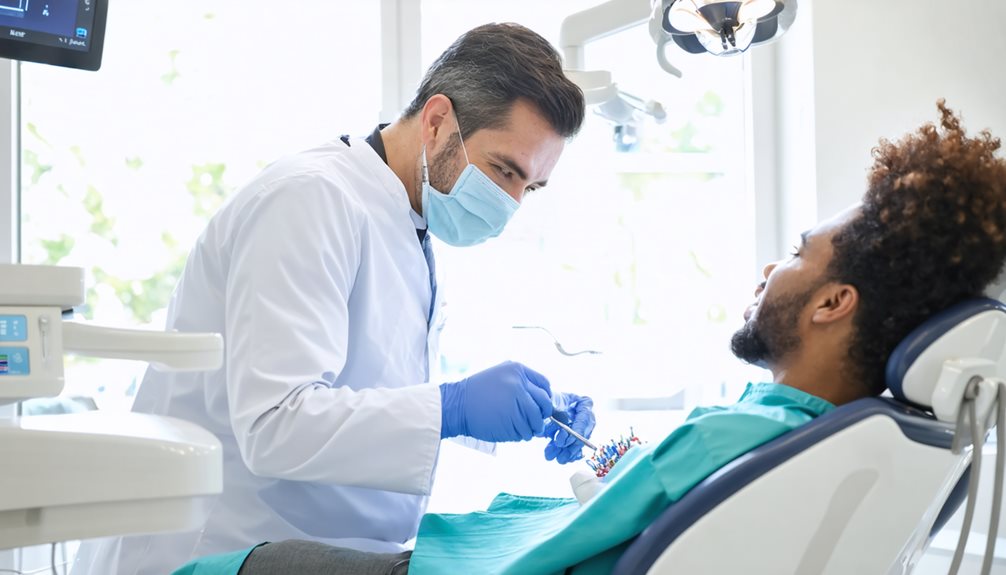
You’re about to uncover how tailored prosthodontic treatments can transform your approach to oral health. Whether it’s dental implants or dentures, understanding these options is vital for maintaining a confident smile. But it’s not just about the procedures themselves—considering how lifestyle factors play a role is equally important. By aligning with a qualified prosthodontist, you’ll gain insights into making informed decisions that support both your oral and overall well-being. So, what are the key elements in selecting the best care and ensuring your prosthetics last? Let’s explore the essentials together.
Understanding Prosthodontic Treatments
When considering prosthodontic treatments, it is vital to understand the diverse range of options available to restore oral function and aesthetics. You’ve got choices like dental implants and dentures, each tailored to meet specific needs. Implant options offer a permanent solution, securing artificial teeth directly to your jawbone. This approach guarantees stability and a natural appearance, giving you the confidence to smile and eat without worry. In contrast, dentures, which can be partial or complete, provide flexibility and are removable for easy maintenance.
Choosing the right implant options requires careful evaluation of your oral health, bone density, and lifestyle. A detailed consultation with your prosthodontist will help you navigate these factors, making sure the chosen treatment aligns with your goals and expectations. Additionally, effective denture care is fundamental for maintaining their condition and your oral health. Regular cleaning, proper storage, and periodic adjustments are key components in denture care, preventing discomfort and extending their lifespan.
Benefits of Holistic Prosthodontics
Embracing a holistic approach in prosthodontics offers a thorough pathway to oral health that considers the whole person, not just the teeth. By focusing on integrative approaches, you’re not only addressing dental issues but also understanding how oral health impacts your overall well-being. This means evaluating lifestyle factors, nutrition, and even stress, all of which play significant roles in oral health. You’ll find that this method goes beyond mere treatment, emphasizing prevention and long-term health benefits.
Patient-centered care is at the heart of holistic prosthodontics. It guarantees that your unique needs, preferences, and values are pivotal in every decision made. You’re an active participant in your treatment plan, granting you the control and confidence you deserve. Through detailed consultations, prosthodontists gather thorough health histories, consider all angles, and tailor solutions specifically to you.
Selecting the Best Prosthodontist
Finding the right prosthodontist is essential to guaranteeing you receive expert care tailored to your specific dental needs. Start by conducting a thorough credentials assessment.
Next, explore patient reviews to gain insights into the prosthodontist’s practice. Look for consistent positive feedback regarding their skills, communication, and patient care. Reviews often reveal aspects of the practice that credentials alone cannot, such as the dentist’s approachability and how they handle patient concerns. Don’t hesitate to ask for recommendations from friends or family who have undergone similar procedures.
Additionally, consider the prosthodontist’s office environment. A well-organized, clean, and technologically advanced clinic often reflects the dentist’s commitment to providing high-quality care. During your initial consultation, pay attention to how the prosthodontist listens to your concerns and explains treatment options. This interaction should instill confidence and guarantee that your specific needs will be met with precision and care. Taking these steps will empower you to make an informed decision, placing control over your oral health firmly in your hands.
Frequently Asked Questions
How Often Should Prosthodontic Appliances Be Cleaned and Maintained?
You should clean your prosthodontic appliances daily and schedule maintenance every six months. Prioritize appliance care by using gentle cleansers and avoiding harsh chemicals. Regular maintenance frequency guarantees peak performance and prevents complications, empowering you with control over your oral health.
What Dietary Changes Are Recommended After Receiving Prosthodontic Treatment?
You’ll want to avoid hard, sticky foods to protect your prosthodontic work. Focus on a soft diet rich in nutrients to maintain nutritional balance. Gradually reintroduce other foods while monitoring for any discomfort or issues.
Are There Any Specific Oral Hygiene Products Recommended for Prosthodontic Patients?
You’ll want to choose oral rinses that target bacteria and support gum health. Consider specialized cleaning tools like interdental brushes and water flossers to maintain prosthodontic work. They’re essential in preventing plaque buildup and ensuring long-term oral health.
How Long Do Prosthodontic Appliances Typically Last Before Needing Replacement?
Your prosthodontic appliance’s longevity depends on several replacement factors, including material quality, oral habits, and maintenance. Typically, appliances last 5-15 years. Regular check-ups let you monitor wear and guarantee timely replacements, maintaining ideal oral function and health.
What Is the Recovery Process Like After Major Prosthodontic Procedures?
After major prosthodontic procedures, you’ll focus on pain management and a structured healing timeline. Expect swelling and discomfort initially, but following your dentist’s detailed care plan guarantees ideal recovery and minimizes complications, giving you control over your healing.